Residential Alcohol Rehab
Residential alcohol rehab offers the most comprehensive level of addiction treatment, providing 24-hour care in a structured, supportive environment free from daily triggers. At Alcohol Detox London, our residential rehab combines medical supervision, psychological therapy, and peer support to treat both the physical and emotional aspects of alcohol dependency, ensuring a safe, focused, and effective path toward lasting recovery.


Understanding Residential Alcohol Treatment
Residential alcohol rehab involves living at a specialized treatment facility for a predetermined period, typically ranging from 28 days to several months, depending on individual needs and treatment goals. During this time, residents receive round-the-clock medical and therapeutic support while participating in a structured program designed to address all aspects of alcohol addiction.
The residential environment creates a therapeutic community where individuals can focus solely on their recovery without external pressures, responsibilities, or temptations. This immersive approach allows for intensive therapeutic work that might not be possible in outpatient settings, where individuals must balance treatment with work, family, and other life demands.
Medical supervision ensures safety during detoxification and early recovery, while the structured daily schedule provides stability and routine that many individuals with alcohol addiction have lost. The combination of professional treatment and peer support creates a powerful environment for healing and personal transformation.
The controlled environment of residential rehab eliminates access to alcohol while providing healthy alternatives for coping with stress, emotions, and life challenges. This protective setting allows individuals to develop new habits and coping mechanisms without the immediate risk of relapse that exists in less controlled environments.
Comprehensive Assessment and Treatment Planning
The residential treatment process begins with a thorough assessment that evaluates medical history, addiction severity, mental health status, social circumstances, and individual treatment needs. This comprehensive evaluation ensures that treatment plans are tailored to address each person’s unique challenges and circumstances.
Medical assessment includes evaluation of physical health, withdrawal risk, medication needs, and any co-occurring medical conditions that require attention during treatment. This medical foundation ensures that residents receive appropriate care for both addiction and any related health issues.
Psychological assessment explores mental health status, trauma history, personality factors, and cognitive functioning to identify any co-occurring disorders that require integrated treatment. This dual-diagnosis approach ensures that underlying mental health conditions are addressed alongside alcohol addiction.
Social assessment evaluates family relationships, work situation, legal issues, financial circumstances, and support systems to understand the broader context of the individual’s addiction and recovery needs. This comprehensive understanding informs treatment planning and discharge preparation.
Individual treatment plans are developed based on assessment findings, incorporating evidence-based interventions that address specific needs and circumstances. These plans are regularly reviewed and adjusted throughout treatment to ensure optimal outcomes and progress toward recovery goals.

Medical Detoxification and Stabilization
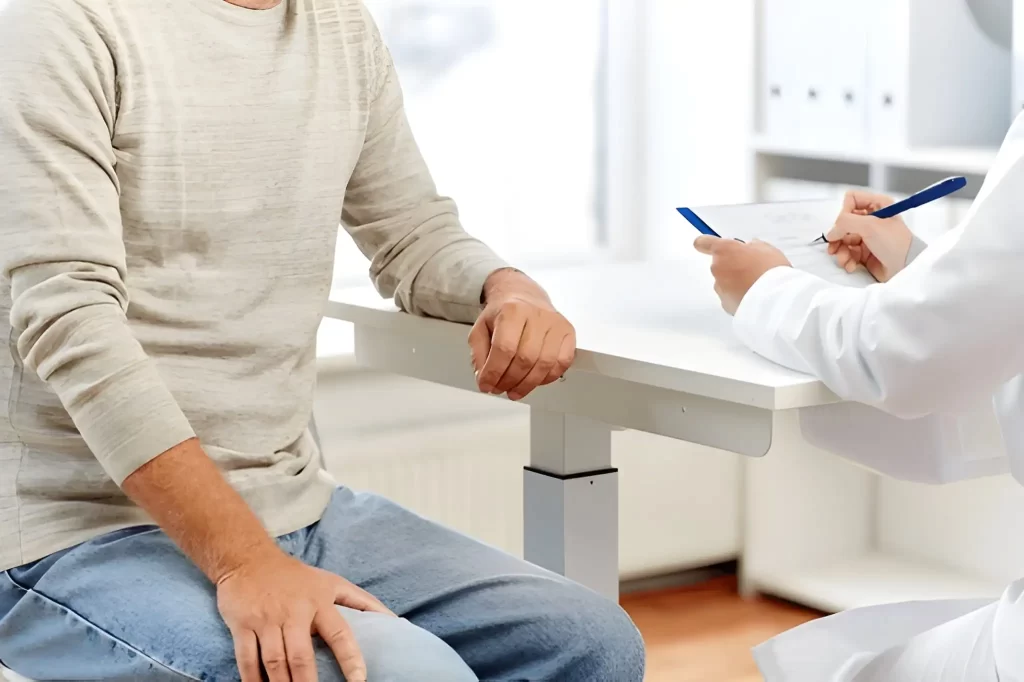
For many residents, treatment begins with medically supervised detoxification that safely manages withdrawal symptoms while ensuring comfort and safety. The residential setting provides optimal conditions for detox, with 24-hour medical monitoring and immediate intervention if complications arise.
Medical professionals closely monitor vital signs, withdrawal symptoms, and overall health status throughout the detoxification process. This intensive monitoring allows for immediate intervention if severe withdrawal symptoms develop, ensuring safety and comfort during this critical phase.
Medication management during detox may include withdrawal-reducing medications, comfort medications for physical symptoms, and treatment for any co-occurring medical conditions. The residential setting allows for careful monitoring of medication effects and adjustment as needed.
Nutritional support during detox helps restore physical health that may have been compromised by alcohol use. Proper nutrition, hydration, and rest in a supportive environment facilitate physical recovery and prepare the body for the therapeutic work ahead.
Psychological support during detox helps individuals cope with the emotional and mental challenges of early withdrawal. Counselors and medical staff provide reassurance, education about the process, and coping strategies for managing discomfort and anxiety.
Evidence-Based Therapeutic Interventions
Residential rehab incorporates multiple evidence-based therapeutic approaches that have proven effective in treating alcohol addiction. These interventions address the psychological, behavioral, and social aspects of addiction while building skills for long-term recovery.
Individual Therapy provides personalized treatment that addresses specific issues, trauma, mental health concerns, and individual recovery goals. These one-on-one sessions allow for deep exploration of addiction causes and development of personalized coping strategies.
Group Therapy offers peer support and shared learning experiences where residents can process their experiences, learn from others, and develop interpersonal skills. Group dynamics provide valuable insights into relationship patterns and social skills that support recovery.
Cognitive Behavioral Therapy (CBT) helps residents identify and change negative thought patterns and behaviors that contribute to alcohol use. This practical approach teaches specific skills for managing cravings, handling triggers, and developing healthier responses to stress and challenges.
Dialectical Behavior Therapy (DBT) focuses on emotional regulation, distress tolerance, and interpersonal effectiveness. These skills are particularly valuable for individuals who use alcohol to cope with intense emotions or interpersonal difficulties.
Motivational Enhancement Therapy helps strengthen intrinsic motivation for change while addressing ambivalence about recovery. This approach is particularly effective in early treatment when motivation may fluctuate.
Family Therapy addresses relationship dynamics that may contribute to addiction while building family support for recovery. This systemic approach recognizes that addiction affects entire family systems and that recovery requires family healing.
Specialized Treatment Approaches
Residential rehab can address complex presentations that require specialized interventions beyond standard addiction treatment. These might include trauma-informed care, dual diagnosis treatment, and approaches for specific populations or circumstances.
Trauma-Informed Treatment recognizes the prevalence of trauma among individuals with alcohol addiction and provides specialized interventions that address trauma safely while supporting addiction recovery. This integrated approach prevents re-traumatization while promoting healing.
Dual Diagnosis Treatment addresses co-occurring mental health conditions such as depression, anxiety, PTSD, or bipolar disorder alongside alcohol addiction. This integrated approach treats both conditions simultaneously rather than sequentially, improving outcomes for both.
Gender-Specific Programming may be available to address the unique needs and experiences of men and women in recovery. These programs recognize that addiction experiences and treatment needs may differ between genders.
Age-Specific Programming addresses the unique needs of different age groups, such as young adults or older adults, who may have different addiction patterns, life circumstances, and treatment needs.
Professional-Focused Programs may address the specific needs of healthcare professionals, legal professionals, or other individuals whose careers may be affected by alcohol addiction.
Holistic and Complementary Therapies
Residential rehab often incorporates holistic and complementary therapies that address the whole person rather than just the addiction. These approaches can enhance traditional therapy while providing additional tools for recovery and wellness.
Mindfulness and Meditation practices help residents develop present-moment awareness, reduce stress, and manage cravings without judgment. These skills provide lifelong tools for maintaining emotional balance and preventing relapse.
Yoga and Physical Fitness programs promote physical health while providing healthy alternatives to alcohol use. Exercise has proven mental health benefits and can be an important component of ongoing recovery maintenance.
Art and Music Therapy provide creative outlets for emotional expression and processing. These approaches can be particularly valuable for individuals who struggle with verbal expression or have difficulty accessing emotions through traditional talk therapy.
Nutritional Counseling addresses the physical health impacts of alcohol use while teaching healthy eating habits that support recovery. Proper nutrition is essential for physical and mental health in recovery.
Adventure and Experiential Therapy uses outdoor activities and experiential exercises to build confidence, teamwork skills, and healthy coping mechanisms. These approaches can be particularly effective for building self-esteem and social skills.

Peer Support and Community
The residential environment creates a therapeutic community where residents support each other through shared experiences and mutual encouragement. This peer support component is one of the most valuable aspects of residential treatment.
Living alongside others who understand the challenges of alcohol addiction reduces isolation and shame while providing hope and inspiration. Seeing others succeed in recovery demonstrates that change is possible and provides motivation during difficult moments.
Peer accountability helps residents maintain commitment to treatment goals while practicing honest communication and feedback skills. The community environment teaches social skills and relationship patterns that support long-term recovery.
Group activities and shared responsibilities build teamwork skills and social connections that can continue beyond treatment. These relationships often provide ongoing support networks that enhance long-term recovery success.
The development of sober social skills occurs naturally in the residential environment, as residents learn to relate to others without alcohol and discover new ways of having fun and managing social situations.
Life Skills and Practical Preparation
Residential rehab includes practical preparation for returning to daily life after treatment. This includes developing life skills that support recovery while addressing practical challenges that residents may face upon discharge.
Relapse Prevention Planning involves identifying personal triggers, developing coping strategies, and creating specific plans for managing high-risk situations. This comprehensive planning significantly reduces relapse risk after treatment.
Stress Management Techniques teach healthy ways of handling life pressures without resorting to alcohol use. These skills are essential for maintaining sobriety in the face of ongoing life challenges.
Communication Skills development helps residents rebuild damaged relationships while establishing healthy boundaries and communication patterns. These skills are crucial for maintaining supportive relationships in recovery.
Vocational and Educational Planning addresses work and education goals that support recovery and personal fulfillment. Many residents use recovery as an opportunity to make positive career changes.
Financial Planning may address debt, budgeting, and financial management skills that support stability in recovery. Financial stress can be a significant relapse trigger, making these skills important for long-term success.

Continuing Care and Transition Planning
Residential treatment concludes with comprehensive discharge planning that ensures continued support and reduces relapse risk after leaving the structured treatment environment. This transition planning is crucial for maintaining gains made during residential treatment.
Aftercare Planning involves developing specific plans for ongoing treatment, support group participation, and continued therapeutic support. This planning ensures continuity of care and ongoing recovery support.
Step-Down Treatment may involve transitioning to outpatient therapy, intensive outpatient programs, or sober living environments that provide continued structure while allowing gradual reintegration to independent living.
Support Group Connections help residents establish connections with community-based support groups such as Alcoholics Anonymous or other mutual aid organizations. These connections provide ongoing peer support and accountability.
Family Reintegration support helps residents and their families adjust to new relationship dynamics and communication patterns established during treatment. This support is crucial for maintaining family relationships that support recovery.
Alumni Programs may provide ongoing connection with the treatment facility and other graduates, offering continued support and accountability in the months and years following treatment.
Making the Decision for Residential Treatment
Residential alcohol rehab represents a significant commitment of time, resources, and energy, but it provides the most comprehensive treatment available for alcohol addiction. This level of care is particularly appropriate for individuals with severe addiction, complex medical or psychiatric needs, or those who have been unsuccessful with less intensive treatments.
The immersive nature of residential treatment creates optimal conditions for addressing the complex factors that contribute to alcohol addiction while building the skills and support systems necessary for long-term recovery. For many individuals, residential rehab provides the foundation for lifelong sobriety and personal transformation.
At Alcohol Detox London, we understand that choosing residential treatment is a significant decision that affects not only the individual but their entire family system. We provide comprehensive assessment and consultation to help determine whether residential treatment is the most appropriate option for your specific circumstances and recovery goals.