Pink cocaine is now one of the most discussed drugs in night life circles and on social media. People hear the name and imagine a flourish of Coca-Cola-coloured cocaine, but the truth is infinitely more complex and far more dangerous. If you’ve ever asked yourself pink cocaine what is it, this guide explains the drug’s components, effects, dangers and why so many medical professionals caution against it.
Individuals who struggle with alcohol misuse may also face greater risk, and learning about devils breath risks can help reduce unsafe decision-making.
What Pink Cocaine Actually Is
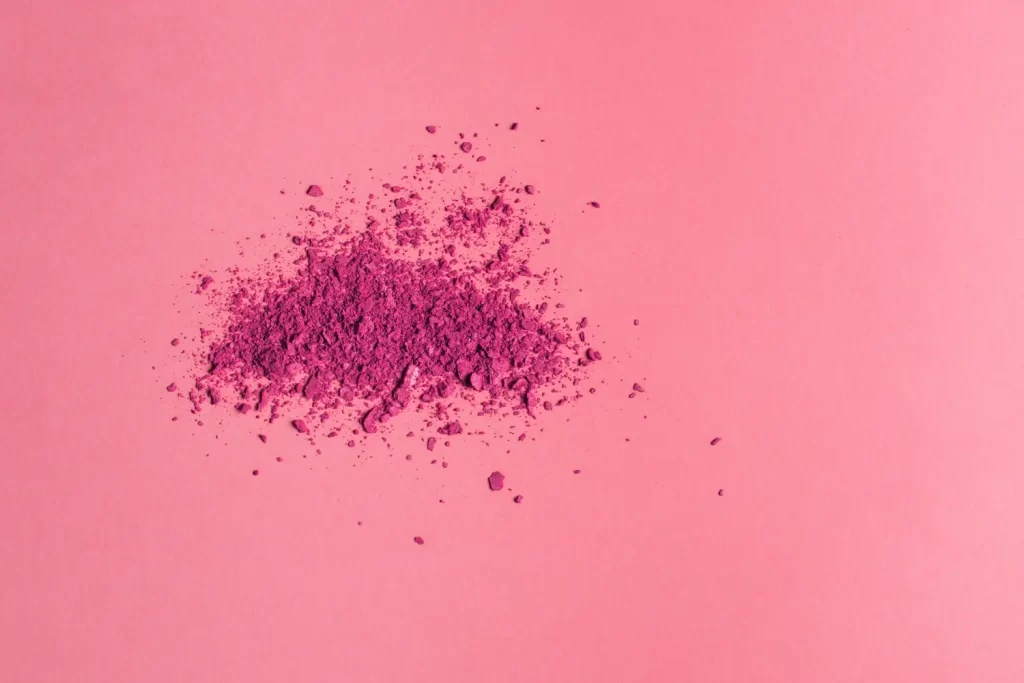
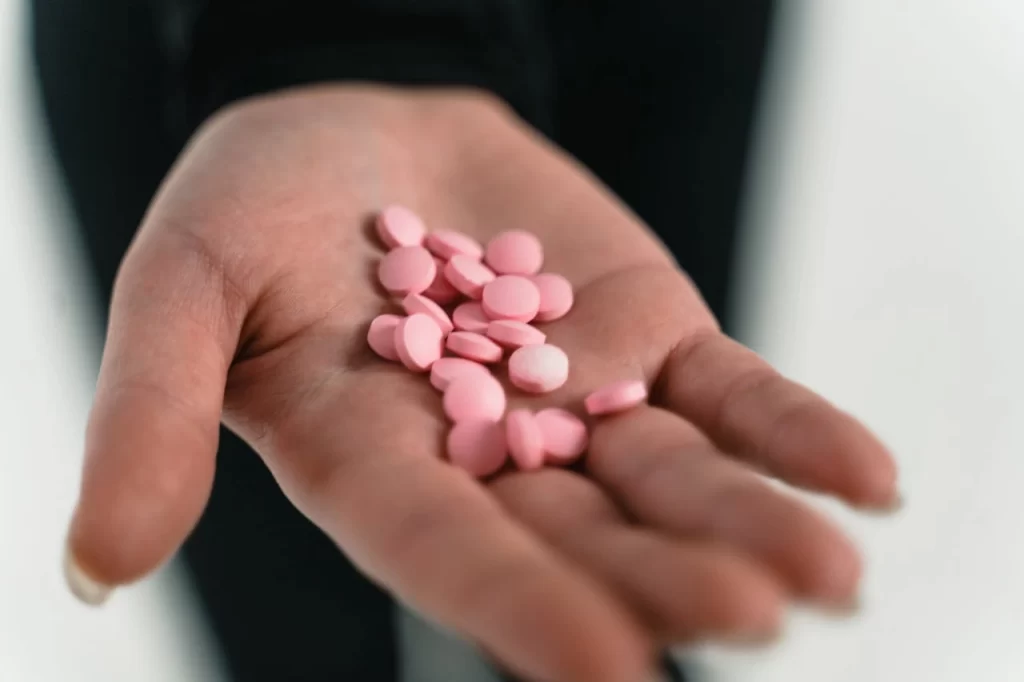
For the record, pink cocaine doesn’t actually have any cocaine. It’s typically a concoction of synthetics, packaged as powders or tablets, that has a pretty and playful bright pink look to it. Its street name tucibi is derived from the two C’s of the pharmaceutical compound used to prepare it. A term originally used for a synthetic psychedelic drug. The formula has evolved, and manufacturers now mix various stimulants hallucinogens and mystery chemicals to produce the product.
And that inconsistency is the first curse. Anyone who ingests the substance has no idea what they are consuming. Unlike regulated drug manufacturing these powders aren’t made in any regulating body which means each batch of “bath salts” and other synthetic drugs can be different. For these reasons, pink cocaine can be particularly risky for young adults and those drawn to the party scene who may believe it is like other stimulants.
Why Pink Cocaine Is Deadly
Pink cocaine is especially dangerous because the substances mixed are never consistent, and there’s no predicting when addicts could be ingesting synthetic drugs. Some batches include man-made stimulants, and others contain benzos opioids, or hallucinogens. These can lead to dangerously high pressure for the brain and heart. Heavy users have experienced extremely high levels of euphoria thumping heartbeat dis-orientation and extreme energy followed by plummeting into suddenly urgent anxiety or fear.
It gets really dangerous when users combine it with alcohol. Alcohol and stimulants pose opposite challenges to the body. So, while the blood pressure increases from the stimulant action, reaction time and decision-making slow down thanks to alcohol. This can result in an overdose of heat exhaustion panic attacks and reckless crime. For those who already find their drinking habit difficult to control, the health risks become deadly.
How It Changes the Brain and Body
Pink cocaine can hyper-activate the central nervous system, causing them to experience a raised heart rate; high blood pressure; as well as severe anxiety. Some individuals may also experience hallucinations paranoia and impaired coordination. In the worst cases, breathing problems seizures and unconsciousness can happen.
As the drug is erratic small amount may produce extreme reaction. Several health professionals argue that the bright packaging is misleading and it makes them seem like a safer or softer alternative to traditional drugs – which they are not.
Why Teenagers and Young Adults Are Being Targeted
Pink cocaine is colourful and pretty, further primarily promoting nightlife communities and social media. It’s often sold as a high-class party drug found only in special events festivals and private circles. This is a misleading image of glamour that masks the very real dangers to health.
“Repeated use of synthetic stimulants can disrupt the brain’s ability to regulate mood, stress responses, and impulse control. “becoming less effective at filtering all that stuff out.” Teenagers and young adults are especially susceptible as they experiment with substances without knowing the long-term risks. Most also mix things at parties, compounding the risk of adverse reactions.
Associations of Pink Cocaine Use with Alcohol Problems
Alcohol abusers are put at more risk when they come in contact with pink cocaine. Alcohol clouds judgement, hinders perception and makes it more difficult to notice early signs of OD or mental health issues. A person who has been drinking heavily can consume more medication than they realize or may be oblivious to the warning signs of a medical emergency.
Those who are looking to minimize the risk of behaviors tied to alcohol can benefit from learning about how alcohol detox works and investigating structured support options. If the individual prefers to undertake detox at home then our alcohol home detox benefits page explains how supervised treatment can increase safety and well-being.
Continued emotional support through online alcohol counselling can assist in developing better habits and avoiding situations that could be the presence of dangerous drugs like pink cocaine.
Common Myths About Pink Cocaine
There is a lot of misinformation about the drug. A common misconception is that pink cocaine is a ‘premium’ version of party drugs, when in reality it’s often made from low-grade synthetics. One of the key misconceptions about pink cocaine is that it’s a luxury form of a stimulant, making some among us underestimate its harmfulness. Another misconception is that since it’s such a vivid colour, it must be made with a lot of care whereas the truth is this vibrant colour is added to make it more appealing.
A final myth is that small amounts of pink cocaine are safe. And because ingredients differ from batch to batch, even a small dose can precipitate severe medical complications.
How to Keep Yourself and Others Safe
The best form of protection is being aware. Here’s a simple way to minimize your risk:
- Stay informed about emerging synthetic drugs and their risks.
- Don’t put anything into your body if you don’t know what it is.
- Never, ever combine anything unfamiliar with alcohol.
- If someone becomes confused, panics, overheats or faints, seek immediate medical help.
- Look out for friends during nights out and try to stay together as a group.
If alcohol abuse leads to unsafe decision making our online sober coaching can offer tailored guidance support and motivation. For a more intensive help with recovery the residential alcohol rehab program offers an environment and staff required for professional care during the detox phase.
When to get advice or intervention for alcohol-related hazardous risks
“If alcohol use has led to risky situations, strained relationships, or health concerns, it may be time to seek professional help in risky environments strained relationships health issues or loss of control I think it’s time for me to get help”. It is often the case that people suffer in silence, but early intervention can save you from irreversible damage to the body and mind.
Our team is here to assist discreetly on the ’contact us’ page. There are supportive alternatives whether someone is looking for counselling detox planning or longer term treatment.
Final Thoughts
It may look trendy or harmless on the surface, but pink cocaine carries serious, life-threatening risks, but pink cocaine is dangerous because its ingredients are unpredictable and often involve harmful synthetic chemicals. Understanding pink cocaine starts with recognising that there is no standard formula—each batch varies widely, increasing the risk of severe reactions, we explain everything you need to know about the drug, This guide is designed to help people stay informed, make safer decisions, and understand how alcohol misuse can amplify these risks. Prevention education and early intervention that reduces harm from alcohol or synthetic drugs. If you or a loved one needs help with alcohol addiction our dayhab programme may be the perfect fit for your lifestyle. Alternatively we offer online alcohol counselling and residential alcohol rehab. You can also explore our full service overview on our Alcohol Detox London landing page. The first step can lead to a safer, healthier tomorrow.
