Snus has gained widespread attention in recent years as more people look for alternatives to traditional smoking. You may have seen it mentioned on social media or in conversations about nicotine pouches. This raises a common question—what is snus and why is it becoming so popular?
To understand its risks and how it affects health it is important to break down what snus is, how it works, and why experts have concerns about its impact especially on young adults and people already struggling with addictive behaviours. For broader awareness on modern synthetic substances, you can also see our guide on pink cocaine and how emerging drugs are affecting public health.
What Snus Actually Is
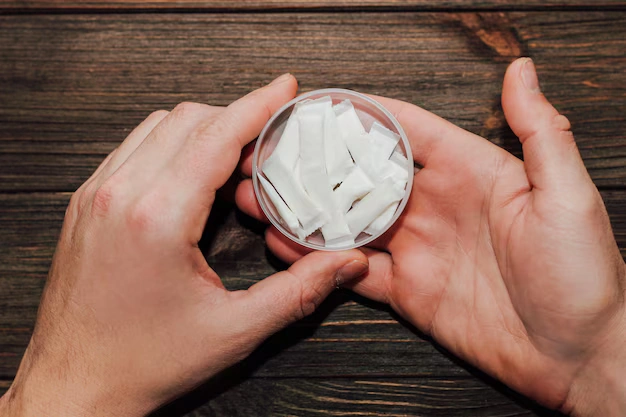
Snus is a moist tobacco based product that originated in Sweden. It is usually placed under the upper lip where nicotine is absorbed through the gums. Unlike cigarettes, snus does not involve smoking which means there is no combustion. This is one reason many people assume it is safer. Snus comes in small pouches as well as loose tobacco and is commonly used for long periods during the day.
Even though snus does not produce smoke it still contains nicotine and tobacco specific chemicals that can be harmful. Nicotine itself is highly addictive and alters brain chemistry which can lead to long term dependence. For people who are trying to avoid smoking or reduce harm, snus may look like an appealing option but the health risks should not be underestimated.
Why Snus Is Growing in Popularity
Snus appeals to many people because it is discreet and smokeless. It can be used indoors without attracting attention and does not produce a visible smell. This makes it especially popular among young adults who might not want the social stigma associated with smoking.
Influencers and online communities have also boosted the appeal of nicotine pouches and snus. Bright packaging and variety in flavours create an image of a modern lifestyle product rather than a tobacco item. This marketing strategy can easily mislead people into thinking snus is harmless.
Some individuals turn to snus to reduce cigarette intake. However switching products does not eliminate the core issue of nicotine addiction. Understanding how the substance affects the body is essential to making informed decisions.
Health Risks Linked to Snus
Although snus avoids the lung damage associated with smoking it is not free of health risks. Long term use can harm the gums, cause oral irritation and increase the risk of tooth decay. Nicotine also affects cardiovascular health by raising blood pressure and increasing heart rate.
For some people snus triggers increased cravings leading to higher nicotine consumption than intended. This can make quitting even more difficult. Regular use can impact mood sleep patterns and concentration.
A major concern is that many people use snus alongside other substances such as alcohol. Mixing nicotine and alcohol heightens dependency patterns and weakens judgment. Individuals who already face drinking issues may find themselves relying on snus to manage stress which leads to a cycle of addiction. If alcohol misuse is part of the challenge, learning how alcohol detox works can provide clarity on safe recovery steps.
Why Snus Can Lead to Addictive Behaviour
Nicotine reaches the brain quickly and creates a short burst of stimulation followed by a drop in mood once it wears off. This encourages repeated use throughout the day. Many people do not realise how strong tobacco based products can be especially when used regularly. Over time the brain begins to rely on nicotine to regulate mood and energy levels.
For individuals with alcohol dependence or other addictions the introduction of another mood altering substance like snus can deepen overall dependence. If someone is looking for healthier coping strategies online alcohol counselling can help address emotional triggers and create long term behavioural change.

Snus Versus Nicotine Pouches
There is often confusion between snus and nicotine pouches. Snus contains real tobacco while nicotine pouches contain synthetic or purified nicotine without tobacco leaf. Although nicotine pouches may appear cleaner they still carry addiction risks. Both products can reinforce unhealthy patterns and may encourage users to combine them with alcohol or other substances.
Understanding this difference helps highlight why snus is not a harmless alternative despite its modern image. Anyone considering nicotine products should think about long term effects and the potential for dependency.
Why People Combine Snus and Alcohol
Many users take snus while drinking because they feel it boosts alertness or helps them stay awake during nights out. What they may not realise is that nicotine increases blood pressure while alcohol slows reaction time. This combination can strain the heart and impair decision making.
Alcohol also lowers inhibitions making it easier to overuse snus or experiment with stronger substances. Those who want to break free from risky substance use patterns may benefit from online sober coaching services which offer personalised guidance and support.
Recognising Dependence and Knowing When to Seek Help
Signs of dependence include using snus throughout the day, difficulty stopping irritability when not using and combining it with alcohol to manage stress. If these patterns feel familiar it may be time to seek support. Early intervention can prevent long term harm and reduce the risk of developing additional substance related problems.
Our residential alcohol rehab programme provides structured treatment for people who need intensive care in a safe and supportive setting. For those who prefer at home recovery our page on alcohol home detox benefits explains how guided detox can make the process safer and more manageable.
Final Thoughts
Snus may seem like a cleaner substitute for cigarettes but it still carries significant risks. Understanding what snus is and how it affects the body helps people make informed decisions. Anyone who uses snus alongside alcohol or notices growing dependence should consider speaking to a professional. Support is available whether through counselling detox guidance or residential care. If you or someone close needs help our team is ready to guide you through the next steps. Visit our contact us page for confidential advice and support.
